The Scientific research Behind Emulsifiers and Their Relevance in Everyday Products
Emulsifiers are necessary components that allow the blending of oil and water, two usually immiscible substances. Their one-of-a-kind molecular structure allows them to reduce surface area stress, developing secure solutions in various products. This feature is crucial for preserving the desired appearance and high quality in food, cosmetics, and pharmaceuticals. emulsifiers. As the demand for innovative solutions expands, understanding the scientific research behind emulsifiers comes to be increasingly essential. What effects might this have for future item growth?

What Are Emulsifiers?
Emulsifiers are substances that allow the blending of 2 immiscible liquids, such as oil and water, developing a secure mix called an emulsion. These representatives play an essential role in different sectors, consisting of food, cosmetics, and pharmaceuticals. Emulsifiers have unique molecular frameworks, generally featuring both hydrophilic (water-attracting) and hydrophobic (water-repelling) components. This twin nature allows them to engage with both sorts of fluids, facilitating the development of emulsions and avoiding separation.
Common instances of emulsifiers include lecithin, frequently located in egg yolks, and mono- and diglycerides, which are commonly made use of in baked goods. In food, emulsifiers boost structure and consistency, improving general top quality. In cosmetics, they assist in developing secure creams and lotions. The versatility of emulsifiers makes them crucial in producing a wide variety of daily products, guaranteeing that numerous ingredients mix flawlessly for ideal efficiency and consumer fulfillment.
How Do Emulsifiers Work?
Exactly how do emulsifiers create stable combinations from two typically unmixable fluids? Emulsifiers function by reducing the surface tension in between oil and water, which are inherently inappropriate because of their molecular frameworks. They have both hydrophilic (water-attracting) and hydrophobic (water-repelling) residential or commercial properties, permitting them to engage with both stages. When an emulsifier is presented to a blend of oil and water, its particles position themselves at the interface, with the hydrophilic end in the water and the hydrophobic end in the oil. This arrangement supports the solution by stopping the oil droplets from coalescing and separating from the water phase. The result is a consistent combination, called an emulsion, which can be either oil-in-water or water-in-oil, relying on the predominant stage. Therefore, emulsifiers play a necessary duty in different products, making sure consistency and stability in formulations ranging from food things to cosmetics.
Kinds of Emulsifiers in Food Products
In the domain name of food manufacturing, different sorts of emulsifiers are employed to boost structure, stability, and general quality. These emulsifiers can be categorized mainly right into artificial and natural kinds. All-natural emulsifiers, such as lecithin, derived from soybeans or egg yolks, are typically used in items like mayonnaise and delicious chocolates. They are preferred for their clean tag appeal and functional benefits.
Synthetic emulsifiers, like mono- and diglycerides, are typically used in processed foods for their cost-effectiveness and versatility. These compounds aid keep the desired consistency in products such as margarine and salad dressings. Additionally, polysorbates, an additional classification of synthetic emulsifiers, improve the security of solutions in gelato and sauces. Each kind of emulsifier plays an important function in guaranteeing the wanted sensory characteristics and shelf-life of food, eventually enhancing the consumer experience.
The Duty of Emulsifiers in Cosmetics
While the main function of emulsifiers in cosmetics is to mix oil and water-based components, their impact prolongs beyond simple stablizing. Emulsifiers work as vital components that boost the structure and consistency of products such as creams, serums, and lotions. By creating a secure combination, they permit uniform distribution of energetic components, making sure that customers receive the desired benefits of the formula.
Additionally, emulsifiers add to the sensory experience of cosmetic items. They can influence the feeling and absorption of an item on the skin, providing a smoother application and a much more enticing finish. Furthermore, emulsifiers contribute in expanding the life span of cosmetics by protecting against the separation of ingredients, thereby maintaining item stability in time. This stablizing is vital for customer safety and efficacy, making emulsifiers indispensable in the formulation of top notch cosmetic products.
Advantages of Utilizing Emulsifiers
Emulsifiers provide countless benefits that prolong beyond their fundamental function in cosmetics. These substances improve the stability and texture of various items, guaranteeing a consistent consistency that is functionally reliable and visually enticing. In foodstuff, emulsifiers add to boosted mouthfeel and extend rack life by preventing separation of components, which is essential for preserving top quality and safety. Furthermore, emulsifiers can promote the absorption of nutrients in dietary formulas, maximizing their wellness advantages.
In the pharmaceutical sector, emulsifiers play a basic duty in medicine shipment systems, improving the bioavailability of active ingredients. They also help in formulating individual care items, making certain that active components are equally dispersed for maximum effectiveness. On the whole, the unification of emulsifiers substantially enhances product efficiency across varied applications, making them essential in daily items. Their multifunctional nature highlights their value in enhancing both consumer experience and item long life.
Usual Emulsifiers and Their Sources
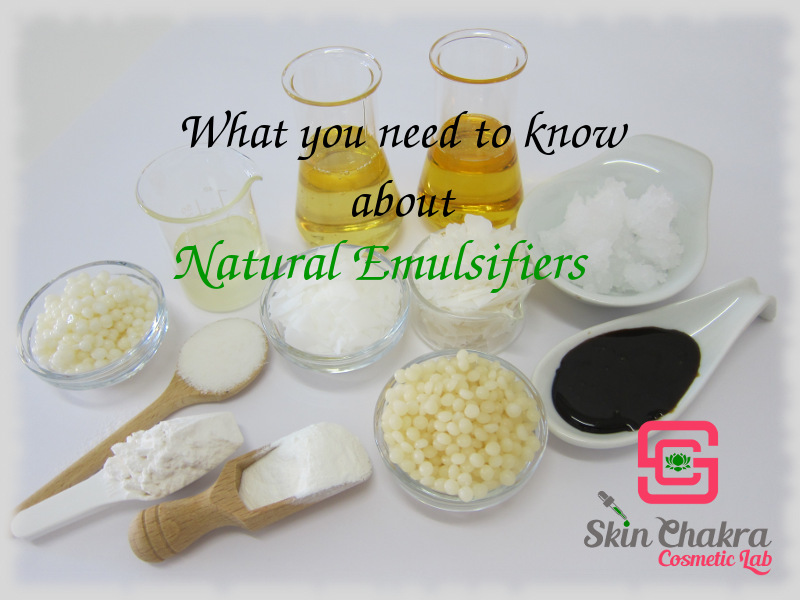
On the other hand, artificial emulsifiers like mono- and diglycerides are stemmed from glycerol and fats. These emulsifiers are commonly used in processed foods for their effectiveness and cost-efficiency. Polysorbates, an additional artificial option, are widely employed in various applications, including drugs and cosmetics. Each kind of emulsifier serves details practical duties, guaranteeing stability and uniformity in the formulas of everyday items.
Future Trends in Emulsifier R & D

Additionally, breakthroughs in biotechnology are leading the way for the development of customized emulsifiers that boost security and appearance while reducing ecological influence. This trend is enhanced by a growing interest in utilizing waste products from food manufacturing as potential emulsifier sources, thus advertising a circular economic climate.
Furthermore, consumer awareness relating to wellness and wellness is driving the need for emulsifiers that support nutritional accounts, such as those that can deliver functional advantages - emulsifiers. As these patterns evolve, the future of emulsifier research study will likely stress both sustainability and functionality, dealing with the altering needs of industries and consumers alike
Frequently Asked Questions
Are Emulsifiers Safe for Usage in Food Products?
Emulsifiers are normally considered safe for usage in foodstuff. Regulative companies review their use, ensuring they fulfill safety requirements. Nonetheless, specific sensitivities view publisher site may vary, requiring caution for those with specific nutritional constraints or allergies.
Can Emulsifiers Reason Allergies in Some People?

Just How Do Emulsifiers Affect the Life Span of Products?
Emulsifiers improve item security by stopping splitting up of active ingredients, which can lengthen life span. Their capability to maintain harmony aids safeguard flavors and appearances, ultimately contributing to the long life of numerous food and cosmetic items.
Are There All-natural Alternatives to Artificial Emulsifiers?
All-natural options to synthetic emulsifiers include components like lecithin, guar periodontal, and xanthan periodontal. These compounds can properly maintain combinations, offering alternatives for those looking for to prevent synthetic additives while keeping item uniformity and high quality.
What Laws Regulate the Use of Emulsifiers in Food and Cosmetics?
Emulsifiers in food and cosmetics are regulated by agencies like the FDA and EFSA, which establish safety analyses, permitted amounts, and labeling needs to ensure customer safety and security and product efficiency across various markets.
In food items, emulsifiers improve texture and uniformity, boosting overall top quality. Additionally, emulsifiers play a role in expanding the shelf life of cosmetics by resource protecting against the splitting up of active ingredients, consequently maintaining item integrity over time. In food products, emulsifiers contribute to boosted mouthfeel and expand shelf life by preventing splitting up of components, which is vital for maintaining quality and safety and security. In general, the incorporation of emulsifiers substantially enhances product efficiency across diverse applications, making them important in day-to-day products. Emulsifiers are normally taken into consideration safe for intake in food products.
Comments on “Steps emulsifiers enable luxury cosmetic formulations”